Salesforce & CRM

Salesforce Admin vs. Salesforce Implementer: What's the Difference?

3 min readPublished: July 15, 2026
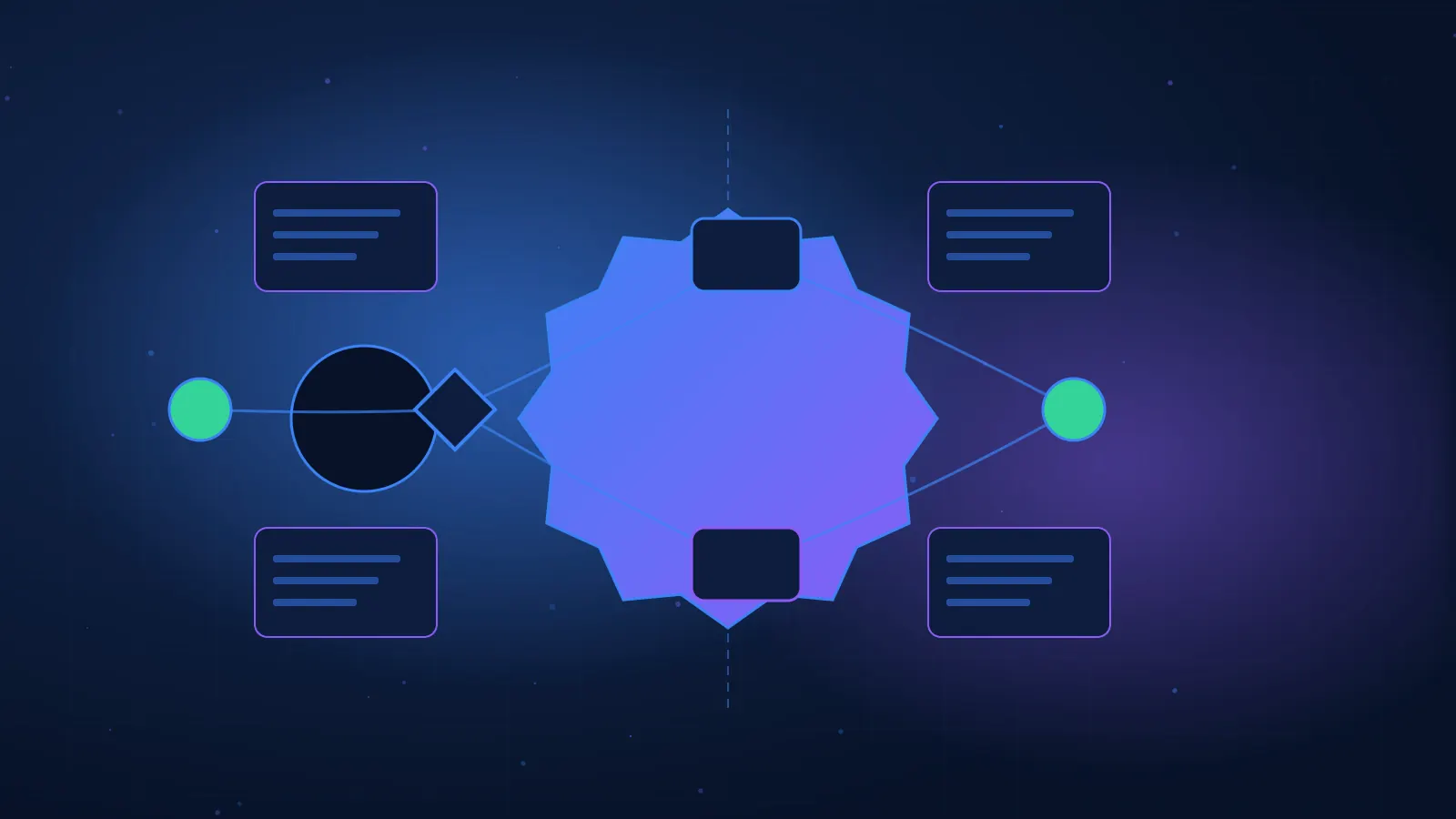
Comparison between ongoing CRM system management and process implementation
Quick answer

An Admin is primarily responsible for the day-to-day operation of an existing Salesforce system: users, permissions, troubleshooting, and minor changes. An Implementer leads the setup and definition of new solutions. There's significant overlap in practice, and in smaller organizations, the same person often performs both roles.

The terms Salesforce Admin and Salesforce Implementer are sometimes used interchangeably because there is significant overlap between them. Both roles involve working with system settings, permissions, data, reports, and automations. The main difference is typically in the context of the work: ongoing management of an existing system versus defining and setting up solutions and processes.


What does a Salesforce Admin do?

A Salesforce Admin is responsible for the day-to-day operation of the system: adding users, managing permissions, creating new fields and reports as requested, troubleshooting user issues, maintaining data quality, and ongoing maintenance. They are intimately familiar with the organization's system and can provide quick responses.

What does a Salesforce Implementer do?

A Salesforce Implementer typically leads setup or expansion projects: defining a new business process, building Objects and Flows, designing a solution for a team that wants to transition to working in Salesforce. Their work is closer to definition and implementation, and less to ongoing maintenance.

Where is the overlap?

In practice, the overlap is significant. An Admin often also builds new Flows and designs small solutions; an Implementer almost always also maintains what they have built. In smaller organizations, the same person performs both roles.

Key Differences

The differences can be summarized in a table: Admin — focuses on ongoing management, daily interaction with users, problem-solving; Implementer — focuses on new construction, interaction with managers and process owners, solution definition.

Both roles require knowledge of Objects, Fields, Profiles, Flows, Reports, and Dashboards. The difference is in the emphasis: depth of maintenance versus depth of building.

Which role is suitable for beginners?

Both roles can be suitable for beginners. In practice, many enter as a Junior Admin, learn the system from within, and progress to implementing larger projects within one to two years. In other organizations, beginners start directly in a Junior Implementer role.

Can one switch between roles?

Yes, and it is very common. An Admin who gains experience with building projects naturally transitions to implementation. An Implementer who desires more stable work can take on an Admin maintenance role. Flexibility is one of the advantages of this career path.

What do you learn to get started?

A common professional foundation for both roles: Salesforce system structure, Objects, Fields, Relationships, Users and Permissions, Sales Cloud, Service Cloud, Flows, Reports, Dashboards, Data Management, and integration fundamentals. All of these are covered in HPI's Salesforce Implementer course, a 20-session program.

Summary

If you are debating which role is right for you, try to imagine the daily routine that suits you better: solving user problems and maintaining a stable system, or engaging in new projects and designing solutions. In many cases, the career path starts with one and progresses to the other.

FAQ

What exactly is the difference between an Admin and an Implementer?

An Admin is primarily involved in ongoing operations and maintenance of an existing system; an Implementer is more involved in defining and building new solutions. In practice, there's significant overlap between the roles.

Are different certifications needed for each role?

Both roles utilize a similar foundation: Salesforce Administrator and Platform App Builder certifications are the official starting points. They are common in both career paths.

Which role is easier to start in?

In practice, many enter as a Junior Administrator and progress from there to implementing larger projects. There isn't a single answer for everyone; it depends on the type of organization and the opportunity.

Can one transition from Admin to Implementation?

Yes, the transition is very common. An Admin who gains experience with building projects naturally moves into implementation roles.

Want to check if this track is right for you?

Leave your details and an HPI advisor will get back to you for a short, no-obligation fit call.

Your details are stored securely.

View Salesforce Course Syllabus

Want to hear the details? Leave your info and we'll get back to you.

Related articles