
Cyber in the AI Era - A profession technology strengthens, not replaces
Cybersecurity & AI
Defend. Investigate. Respond.
Cybersecurity protects systems, networks and data. In the course you'll learn to detect attacks, investigate incidents and respond — through real hands-on practice.
- 5-month program
- No prior experience needed
- Entry salary: ₪12–16K*
*Salary varies by role, prior experience, region and employer.
You'll practice with:SOC · SIEM · Linux · Windows · Networking · Firewall · Azure · Python
Great for curious, analytical people who love tech and problem-solving — no prior background needed.
- Real Hands-On practice
- Preparation for international certifications
- Career support & industry connections
Get the syllabus and check your fit
Leave your details and we'll reach out for a short, no-commitment fit call.
Course duration
5 months
International certifications
7
Modules
9
Preparation for industry-leading certifications
Why learn with us
The edge that makes the difference in the market
Built by industry experts
The curriculum is designed and led by seasoned cyber professionals with real hands-on experience in defense, penetration testing and incident response — so you learn exactly the knowledge, tools and skills the job market demands.
Practice beats a degree
The hi-tech industry hires people who know how to do the job, not just talk about it. In the course you'll work on real projects and drill field scenarios — a serious edge over a 4-year theoretical degree.
A field with strong earning potential from the start
Entry-level cyber graduates can step into roles such as SOC, IT, SecOps and Jr PT, where industry salaries often start around ₪12,000–16,000 and grow significantly with experience, specialization and career progression.
Career support, resume and interview prep
Beyond the professional material, you'll get help building your resume, upgrading your LinkedIn, preparing for interviews, running recruiter simulations, plus a placement team that helps land interviews for sought-after SOC, infrastructure and PT roles.
Curriculum
Roles you'll be ready for
- SOC Analyst
- Junior Penetration Tester
- NOC Analyst
- IT Support
- Help Desk
- Junior System Administrator
- Junior Network Administrator
- Security Operations
- Technical Support
Tools and practice
- Hands-on lab learning
- Working with Kali Linux
- Wireshark
- Burp Suite
- Nmap
- SIEM platforms
- Log analysis
- Attack and defense simulations
- Security incident investigation
- Working with Windows Server and Active Directory
- Using AI in cyber workflows
- Portfolio projects
FAQ – Cybersecurity & AI course
The most important questions to answer before enrolling in a cyber track.
HPI's Cybersecurity & AI course is a hands-on program that starts with the fundamentals and progresses to real cyber tools and systems. It covers networking and communications, Windows Server and Active Directory, Linux, Azure and cloud, information-security fundamentals, Python, firewalls, Fortinet, SOC, SIEM, incident response, network analysis, malware analysis and the responsible use of AI in security workflows. The goal is to build a broad technical base so students understand how systems, networks and cyber events actually work in practice.
Yes. The program is designed for beginners and does not assume prior cyber experience. Studies start from the basics of computers, operating systems and networks, and then advance to information security, SOC and professional tools. That said, success requires commitment to practice, consistent attendance and readiness to work through new technical material.
No. You are not expected to arrive with prior programming knowledge. The course teaches Python from the ground up in a practical, security-oriented context. Prior experience can help, but it is not a prerequisite for starting the program.
SOC focuses on ongoing defense of the organization: monitoring alerts, triaging events, investigating suspicious activity, documenting incidents and escalating when needed. Penetration Testing focuses on proactively probing systems through controlled simulated attacks to find weaknesses before a real attacker does. They are distinct but complementary disciplines, and being familiar with both provides a stronger overall picture of defense and offense.
Graduates can consider entry-level positions such as Junior SOC Analyst, IT and technical-support roles with a security orientation, Junior SecOps and other information-security starter roles. Actual placement depends on the individual's level of knowledge, practice, personal performance, prior experience and employer requirements. The course provides training and tools; it is not a guarantee of employment.
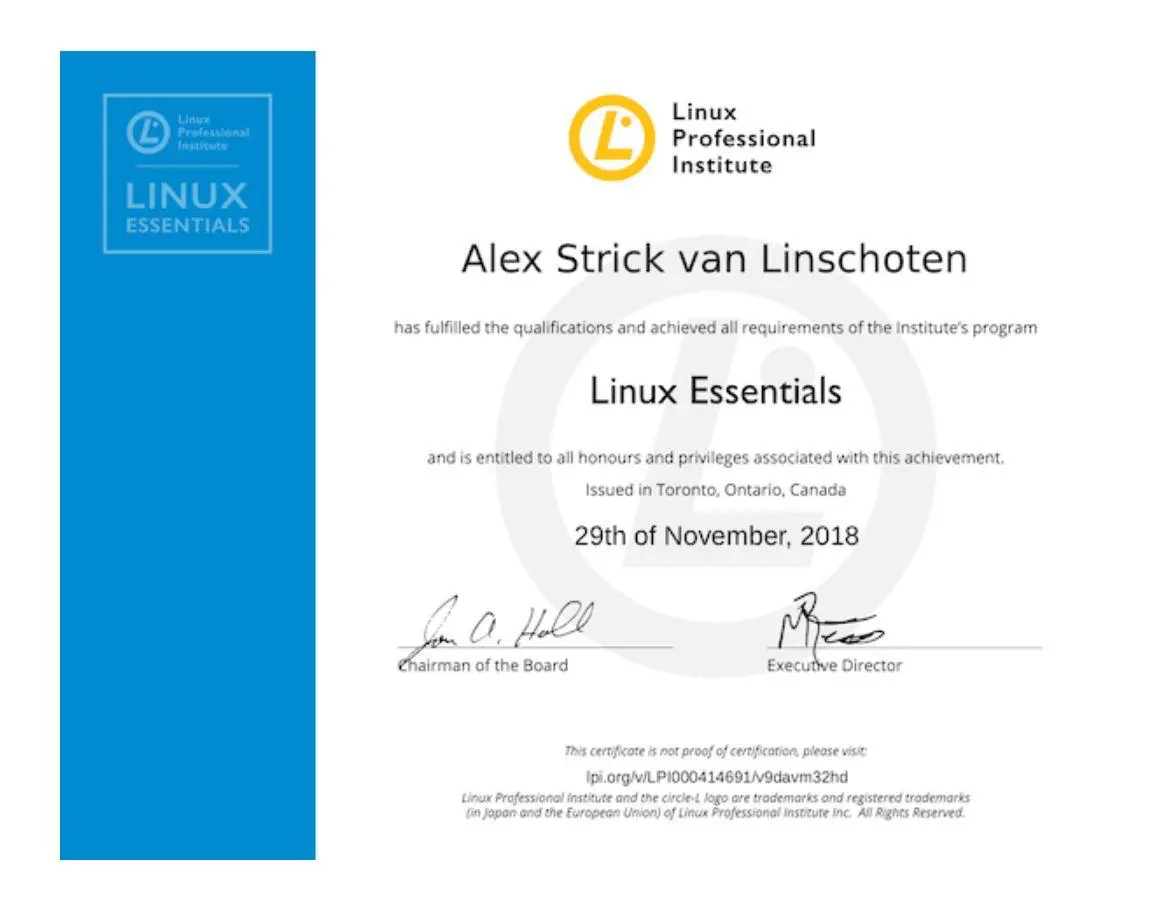
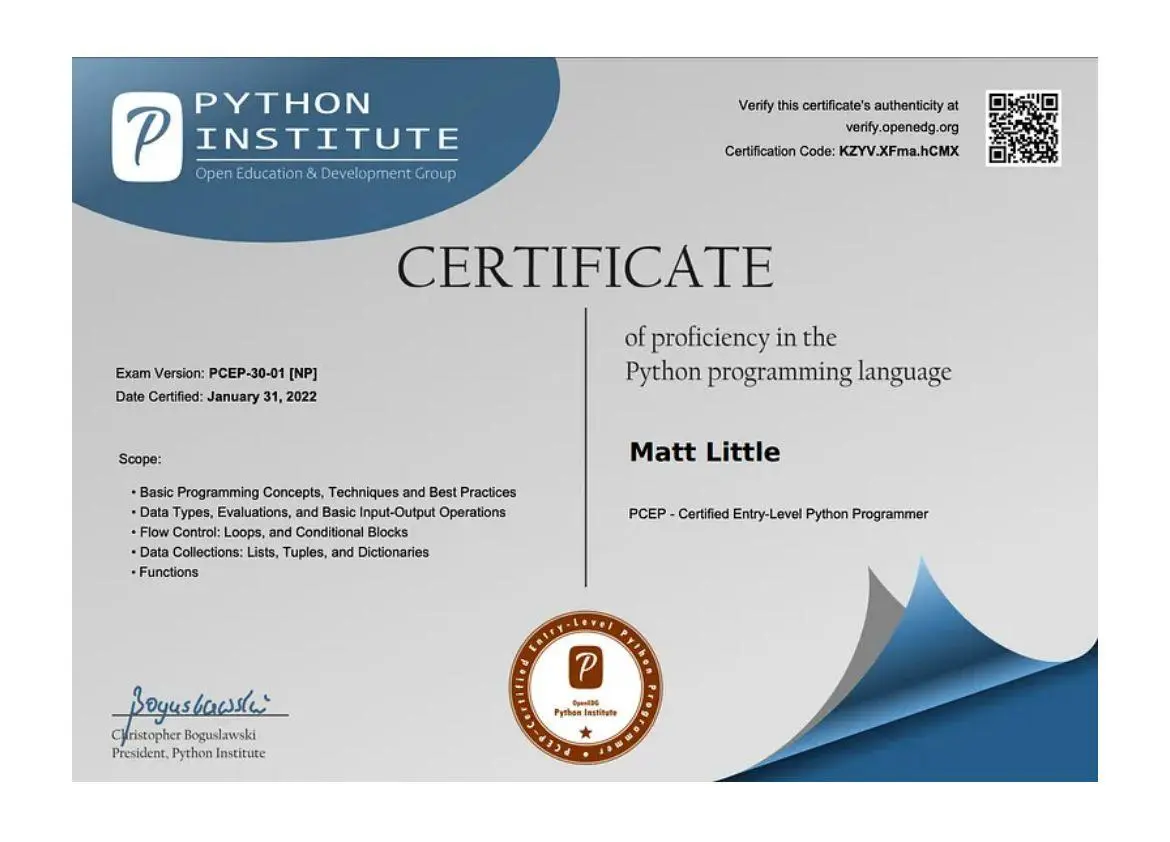
The program covers content relevant to preparing for LPI Linux Essentials, CompTIA Tech+, CompTIA Network+, Cisco CCST Cybersecurity, Python PCEP, CompTIA Security+ and Microsoft AZ-900. Preparation is part of the curriculum; exams themselves are administered by the certifying bodies according to their own terms and are not guaranteed by completing the course.
Academic preparation for the certifications is part of the course. Registration fees, vouchers and payments to the certifying bodies are not automatically included, unless explicitly stated in writing in the price offer or enrollment agreement for the specific cohort. Confirm the details with an academic advisor before you enroll.
An academic degree is a broader program that typically spans several years and includes a wide theoretical and scientific base. A professional course is more focused on practical training, tools and the skills required for entry-level roles. HPI's program runs for about five months and includes 300 regular hours, which are 400 academic hours, and up to 450 academic hours including home practice. Choosing between a course and a degree depends on your goals, available time and target career.
To get the most out of the program you should practice regularly between classes. The amount of time varies by background, learning pace and command of the material. The program is designed so that together with home practice you can reach up to 450 academic hours, which means setting aside consistent time for exercises, labs, review and assignments.
The delivery format is set per active cohort. Before enrollment you should receive in writing the specific cohort details, including delivery mode, dates, hours and location or online link. Do not rely on information from a previous cohort; confirm the details directly with an academic advisor.
Career support includes CV preparation, LinkedIn profile improvement, interview simulations and guidance during the job-search process. Its goal is to help students present the knowledge and practice they built more effectively. Career support is not a commitment to placement or hiring.
Yes. The program can be a fit for military veterans who want to enter cyber, IT and information-security fields, even without prior professional experience. Success in the program requires seriousness, persistence, independent learning ability and willingness to invest in hands-on technical practice.
Go deeper in the knowledge center
Get in touch