Tech careers

Professional Course or Degree: What is the Right Path to Enter Hi-Tech?

3 min readPublished: July 24, 2026
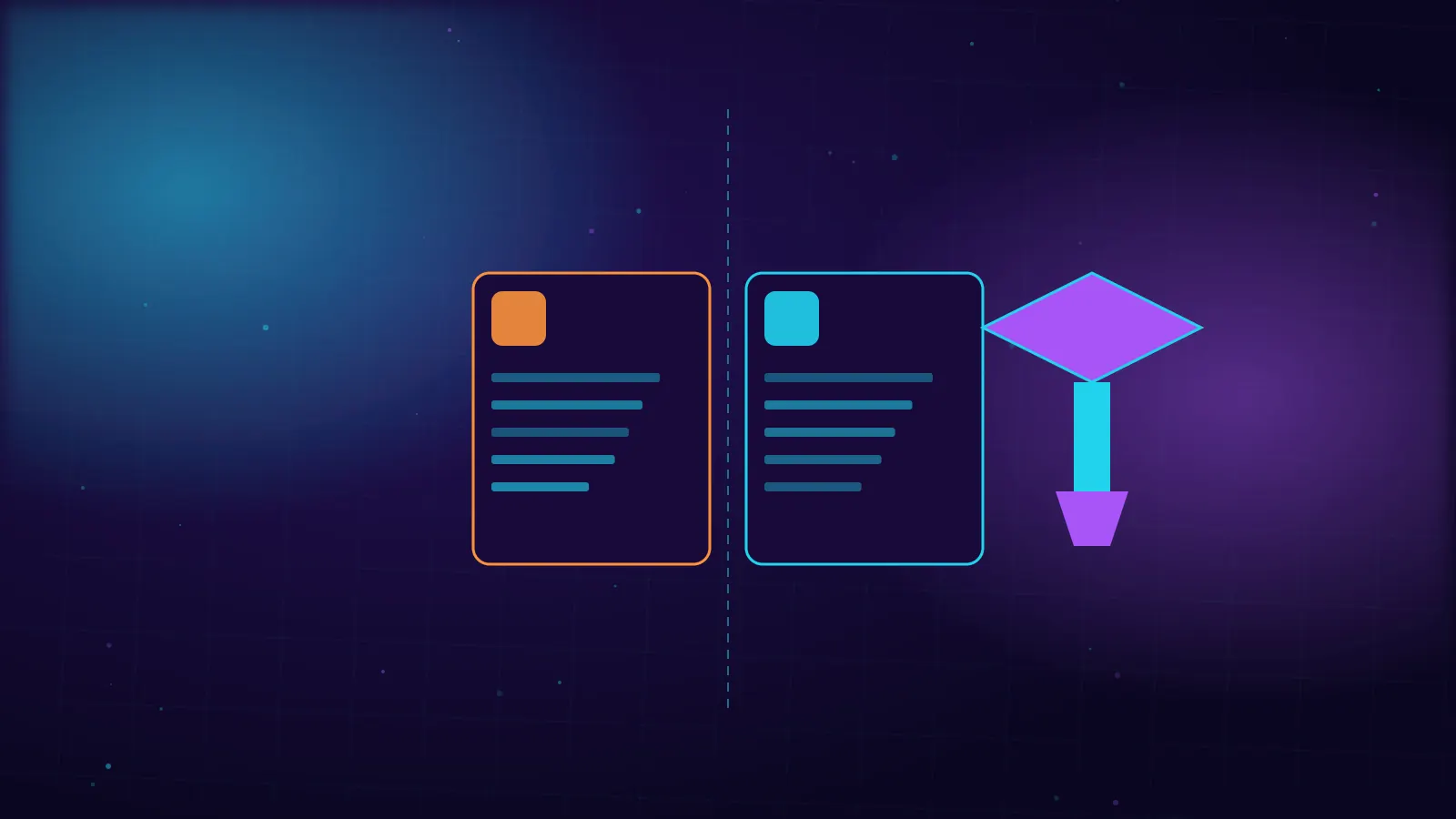
Two parallel paths of a professional course and a degree on the way to a high-tech career
Quick answer

A degree suits those who want a broad foundation, development or research tracks, and long-term opportunities. A professional course suits those aiming for a defined role like SOC, IT, Salesforce, or QA and want a shorter, more practical path. The quality of the path depends on practice, projects, and job relevance — not just the type of certificate.

The debate between a course and a degree is sometimes presented as if one is always better. In practice, they meet different needs. A degree builds a broad foundation over time; a good course focuses on a role and specific tools. The right choice depends on the goal, time, budget, and the type of work you are aiming for.


Quick Comparison

TopicProfessional CourseDegree
DurationWeeks to monthsSeveral years
FocusRole and toolsBroad foundation and theory
PracticeVaries by pathVaries by institution and courses
CostGenerally lowerGreater time and money investment
PrerequisitesMostly flexibleAcademic admission
OpportunitiesQuick entry to a defined roleWide range and academic paths

When is a Professional Course Suitable?

  • You have a clear target role.
  • The role doesn't require a degree in most job postings.
  • You learn well through practice.
  • You need a shorter path.
  • The course includes a project, feedback, and interview preparation.
  • You are ready to supplement with self-learning beyond classes.

When is a Degree Suitable?

  • You are aiming for research, algorithms, or hardware.
  • You want a broad mathematical and scientific foundation.
  • A degree is a recurring requirement in your target jobs.
  • You are interested in student tracks and internships.
  • You have the time and ability to invest in a long process.
  • You want to keep academic options open.

How to Check the Quality of a Course?

  1. Check the instructors and their experience.
  2. Review the detailed hours and practice sessions.
  3. Ask to see an example of a final project.
  4. Check which tools and environments are used in the studies.
  5. Inquire about how personal feedback is given.
  6. Check for transparency regarding placement without promises.
  7. Read the cancellation policy and make-up classes.

How to Check the Suitability of a Degree?

  • The curriculum and elective courses.
  • Specialization and industry options.
  • The amount of practice and projects.
  • Suitability for the job and field that interests you.
  • Possibility of combining work during studies.
  • Total cost and time until market entry.

The Combined Path

You don't have to choose just one side. A student can add a practical course and project to be better prepared for work. A person who entered through a course can later complete a degree or academic studies as needed.

The combined path is especially good when you want both a long-term foundation and early employability.

Mistakes in Decision-Making

  • Choosing based on advertising or social pressure.
  • Looking only at the duration of studies.
  • Assuming a certificate guarantees a job.
  • Not checking real job postings.
  • Ignoring personal learning style.
  • Not calculating the cost of time and deferred income.

Summary

A course and a degree are different tools. A degree provides depth and breadth; a course can provide focus and speed. Define a target role, check market demands, and compare the quality of practice and outcomes before deciding.

FAQ

Is a course enough for a job?

It can be enough for certain entry-level positions when combined with practice, a project, and interview skills.

Does a degree guarantee a job?

No. Degree graduates also need projects, experience, and preparation for the recruitment process.

Which is cheaper?

A course is usually shorter and cheaper, but you also need to consider quality, practice, and necessary supplementary learning.

Can I start with a course and continue to a degree?

Yes, and this can be a suitable path for those who want to enter the workforce sooner.

What is suitable for a career change at an older age?

Sometimes a focused course is more convenient, but the decision depends on the target role, time, and financial situation.

Want to check if this track is right for you?

Leave your details and an HPI advisor will get back to you for a short, no-obligation fit call.

Your details are stored securely.

HPI Training Programs

Want to hear the details? Leave your info and we'll get back to you.

Related articles